7 Different Types of Ceramic Coatings Explained

December 18, 2025

Share this article

 
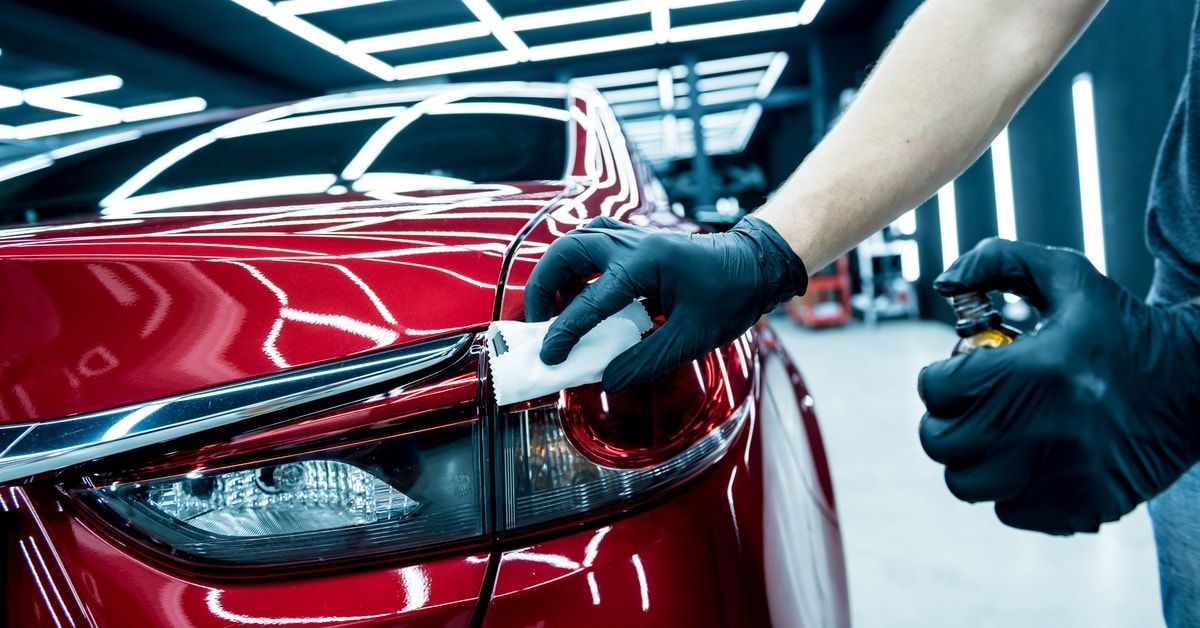
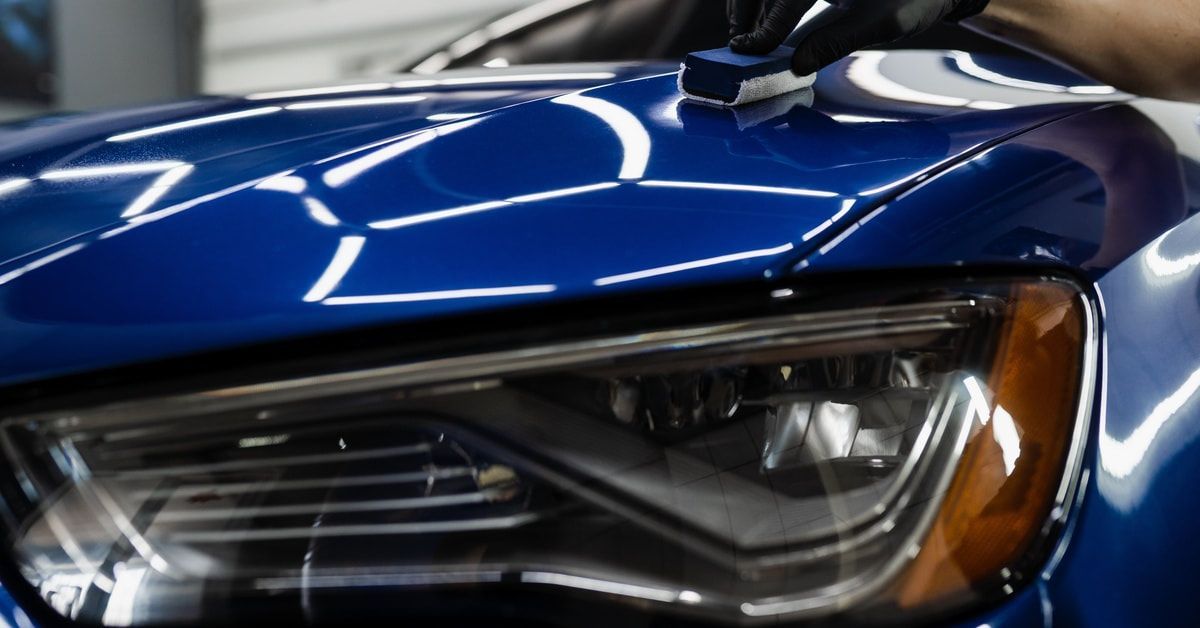
A car service worker wearing black gloves runs a ceramic coating along the front headlight of a red car.

Your car is more than just a way to get from A to B; it's a significant investment. Keeping it in top condition not only preserves its value but also enhances your daily driving experience. One of the best ways to protect your vehicle's exterior is with a ceramic coating. But with so many options available, how do you choose the right one?

We’ll walk you through the seven main types of ceramic coatings, breaking down what each one is, its pros and cons, and which type might be best for your car. By the end, you'll have a clear understanding of how the different types of ceramic coating protect your vehicle.

What Is a Ceramic Coating?

Before we explore the different types, let's quickly cover what a ceramic coating is. It's a liquid polymer, or a liquid clay that hardens after application. You or a technician can apply the liquid to the exterior of your vehicle. The coating chemically bonds with your car’s paint, creating a durable layer of protection.

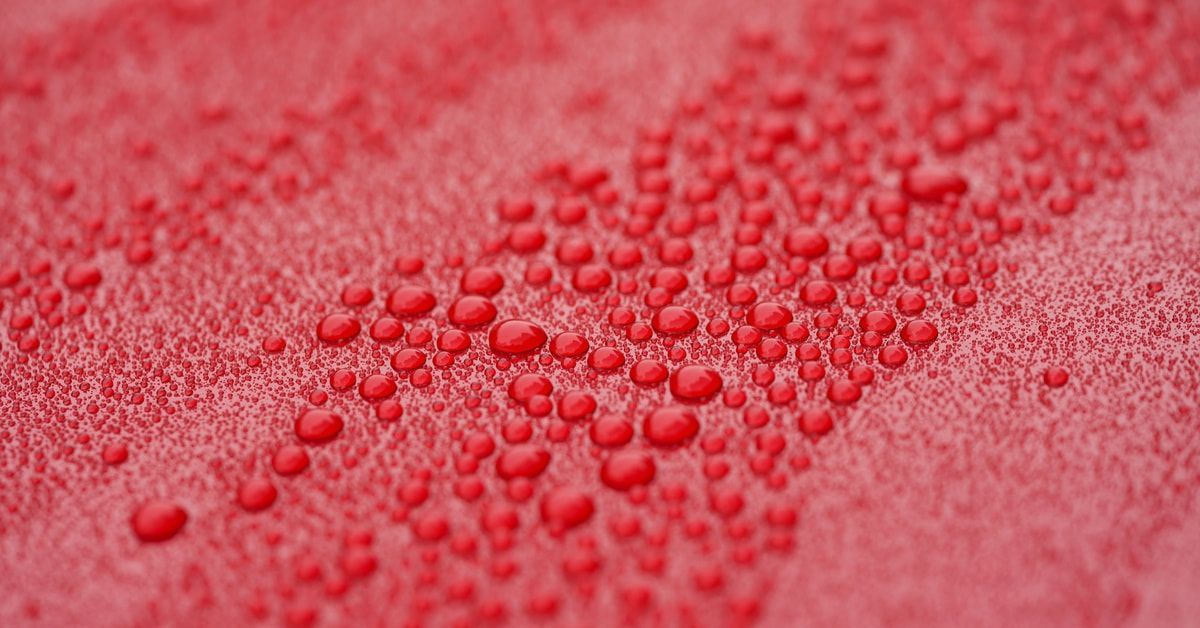
This layer is hydrophobic, meaning it repels water, making it harder for dirt and grime to stick to your car. It also protects against UV rays, oxidation, and chemical stains, all while giving your paint a deep, glossy finish. Think of it as a much stronger, longer-lasting version of traditional wax.

1. PTFE-Based Sprays (Teflon)

Often marketed as "ceramic sprays," these are the most accessible and affordable ceramic coatings. Polytetrafluoroethylene (PTFE), commonly known as Teflon, is the key ingredient. These products are easy to apply and deliver noticeable improvements in water beading and shine.

  • • Pros: They cost less than other options, have an easy application process, and provide a good initial gloss.
  • • Cons: They provide minimal protection and durability compared to other types.

PFTE-based sprays work great for car owners new to detailing and want to try a coating without a big time or money commitment. It's also great for a quick boost of shine between more serious treatments.

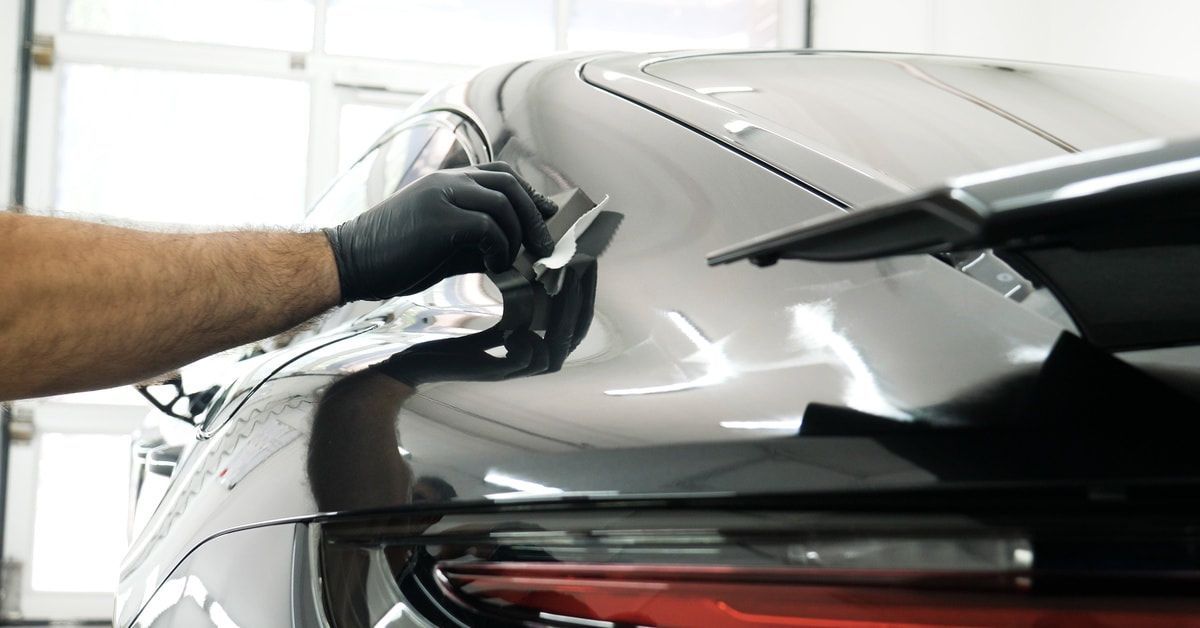
A person wearing black gloves applies a ceramic coating to a gray car. The vehicle is reflecting the light in the room.

2. Silicon Dioxide (SiO2) Sprays

SiO2-based products are what most people think of when they hear ceramic spray wax, and are a step up from PTFE sprays. Silicon dioxide is the primary component of true ceramic coatings, and these sprays contain a diluted version of it. They offer better durability and protection than PTFE sprays.

  • • Pros: They provide better durability than PFTE-based sprays (often lasting 4-6 months), and offer excellent water repellency.
  • • Cons: They require reapplication a few times a year and provide less durability than professional-grade coatings.

SiO2-based sprays work best for the weekend warrior who enjoys maintaining their car and wants solid protection with a simple spray-and-wipe application process.

3. Graphene Coatings

Graphene is one of the newer materials to enter the car care market. It’s a single layer of carbon atoms arranged in a honeycomb lattice. When added to a ceramic coating formula, it's claimed to reduce heat transfer to the paint surface, helping prevent water spotting. Graphene coatings also boast impressive durability and gloss.

  • • Pros: They provide substantial durability (lasting 1-2 years), repel water exceptionally well, and give your car a deep, rich gloss.
  • • Cons: They cost more than SiO2 sprays and can be slightly more difficult to apply correctly.

Graphene is best for enthusiasts looking for the latest technology and top-tier DIY protection. If you live in an area with hard water or frequent rain, the anti-water-spotting properties are a major plus.

4. Hybrid Ceramic Coatings

Hybrid coatings are the workhorses of the professional detailing world. These formulas combine the hardness and durability of silicon dioxide (SiO2) with the flexibility and gloss-enhancing properties of other polymers, like titanium dioxide (TiO2) or polysiloxane. This blend creates a coating that is tough yet beautiful.

  • • Pros: They provide excellent durability (lasting 2-5 years), superior chemical resistance, and give your car an intense candy-like gloss.
  • • Cons: They require a professional application due to the tricky, fast-curing nature of the product and cost more than DIY coatings.

Hybrid coatings work best for car owners who want a long-term, low-maintenance solution and are willing to invest in professional installation for guaranteed results.

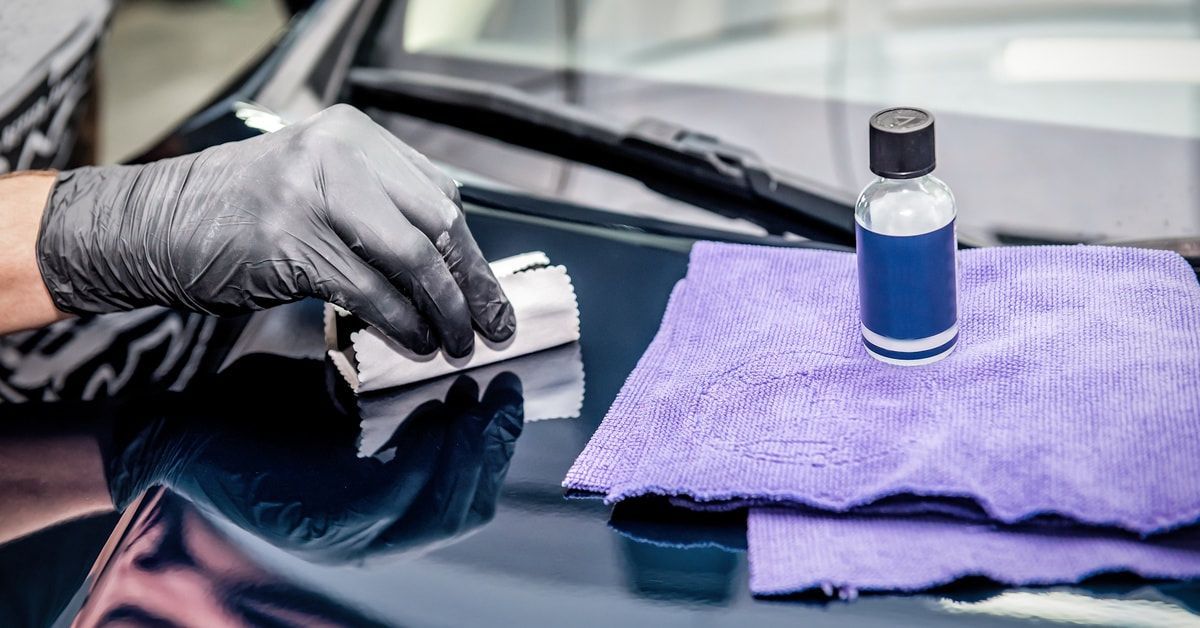
A specialist applies a ceramic coating over a scratch on a car. A bottle and a microfiber towel lay nearby.

5. Professional-Grade SiO2 Coatings

These are the concentrated, pure-play ceramic coatings that built the industry. They contain a very high percentage of silicon dioxide and require a precise, professional application in a controlled environment. Once cured, they form an extremely hard, glass-like layer of protection.

  • • Pros: They provide exceptional hardness and scratch resistance, long-lasting durability (lasting 5+ years), and protect against environmental contaminants.
  • • Cons: They can be quite expensive and require a professional application.

Professional-grade SiO2 coatings work best for owners of high-end, luxury, or new vehicles who want the absolute best, longest-lasting protection available, and treat their car as a prized possession.

6. Titanium Dioxide (TiO2) Boosted Coatings

Some professional-grade coatings incorporate titanium dioxide (TiO2) into their formulas. While SiO2 provides the hardness, TiO2 enhances the coating’s self-cleaning properties and deepens the gloss. This makes the surface even slicker and more reflective.

  • • Pros: They combine the durability of SiO2 with enhanced gloss and self-cleaning ability.
  • • Cons: They cost more than most professional coatings.

TiO2 boosted coatings work best for drivers who prioritize a flawless, "wet look" finish and want to make washing their car even easier.

7. Permanent Ceramic Coatings

Don’t take the term "permanent" seriously, as no coating lasts forever without maintenance. However, these top-tier systems are designed to last for the lifetime of the vehicle with proper care. They are usually sold as multi-layer systems and come with a manufacturer's warranty, contingent on annual professional inspections.

  • • Pros: They provide the most protection and durability (lasting 10+ years).
  • • Cons: They cost more than every other ceramic coating and require a strict maintenance regimen and annual check-ups to maintain the warranty.

Permanent ceramic coatings work best for serious car enthusiasts or owners who plan to keep their vehicle for a very long time and want a "set it and forget it" solution backed by a professional guarantee.

Find the Right Protection for Your Car

Choosing from the various ceramic coatings comes down to balancing your budget, the time you’re willing to invest, and the level of protection you want. Whether you choose DIY or professional services, a ceramic coating is a smart way to protect your investment and keep your car looking showroom-fresh for years to come.

If you’re looking for professional ceramic coating services, then AI Auto Detailing is the place for you. Our services are tailored to your vehicle’s needs and can help you enjoy your car’s appearance for years to come. Contact us today to get a quote or schedule your ceramic coating service.


Recent Posts

Ceramic coating being applied to a car body panel
August 19, 2026
A ceramic coating has become one of the most popular ways to protect a vehicle's finish while keeping it looking cleaner and glossier for longer.
Car wrap being washed by hand with a microfiber mitt
July 28, 2026
A vehicle wrap transforms the appearance of a car while adding a layer of protection to the original paint.
Detailer installing paint protection film on a vehicle
May 29, 2026
Paint protection film continues to grow in popularity among drivers who want to preserve their vehicle’s finish for years.
Car window being tinted by a professional installer
April 28, 2026
Window tinting continues to grow in popularity among drivers seeking greater comfort, protection, and style.
Ceramic coated car finish beading water after rain
April 20, 2026
Acid rain poses a serious threat to vehicle paint, especially in areas with higher pollution and frequent rainfall.
Buffing pad correcting swirl marks in car paint
April 8, 2026
Vehicle condition strongly influences resale price and buyer perception. A glossy, well-maintained exterior signals that an owner cares about maintenance and…
Professional applying ceramic coating in a detailing shop
February 6, 2026
You’ve seen the videos: a glossy hood, a few drops on an applicator, and a dramatic “after” shot under bright lights.
Clean detailed engine bay after professional cleaning
January 22, 2026
When was the last time you washed your car? You probably scrubbed the exterior, vacuumed the mats, and maybe even wiped down the dashboard.
Full-service auto detail in progress on a customer vehicle
January 7, 2026
A professional car wash can make your vehicle look clean, but a full-service auto detail elevates it to a whole new level.
By Miguel Hernandez October 20, 2025
If you've recently had your car professionally detailed, congratulations—your vehicle now boasts a polished, pristine, and virtually showroom-ready interior.
Show More