|
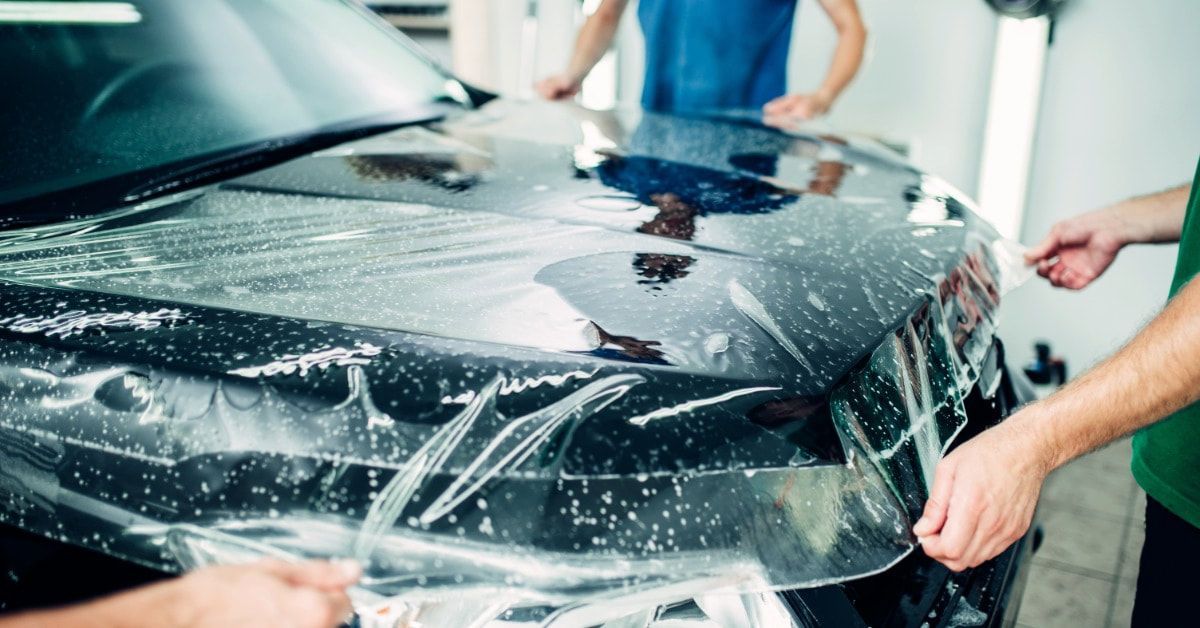
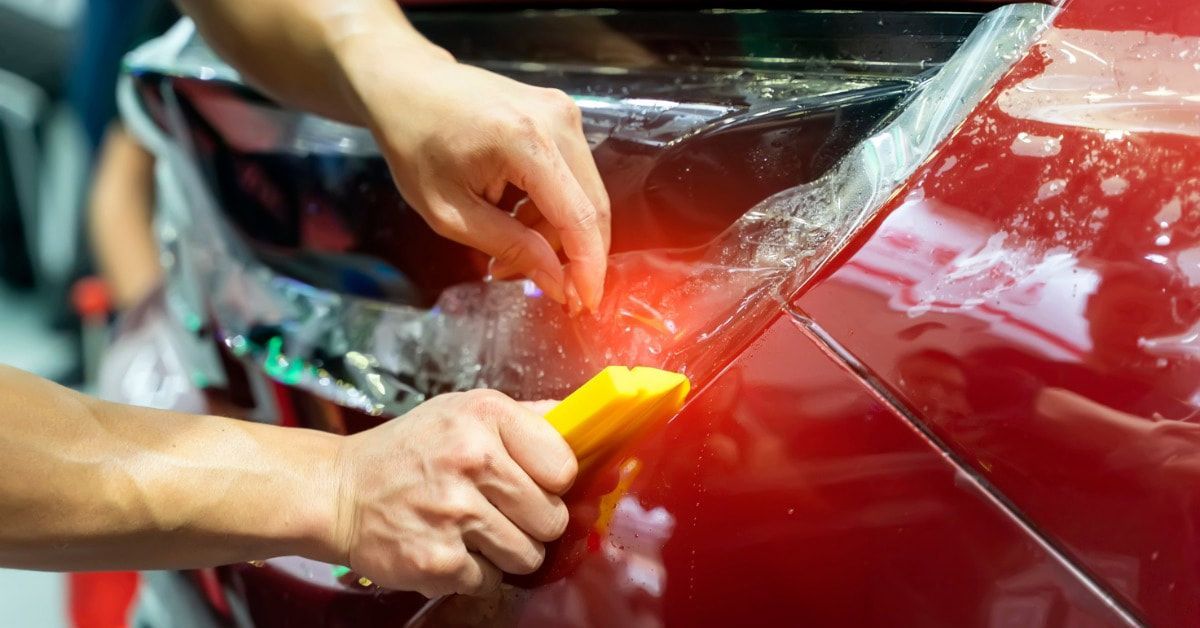
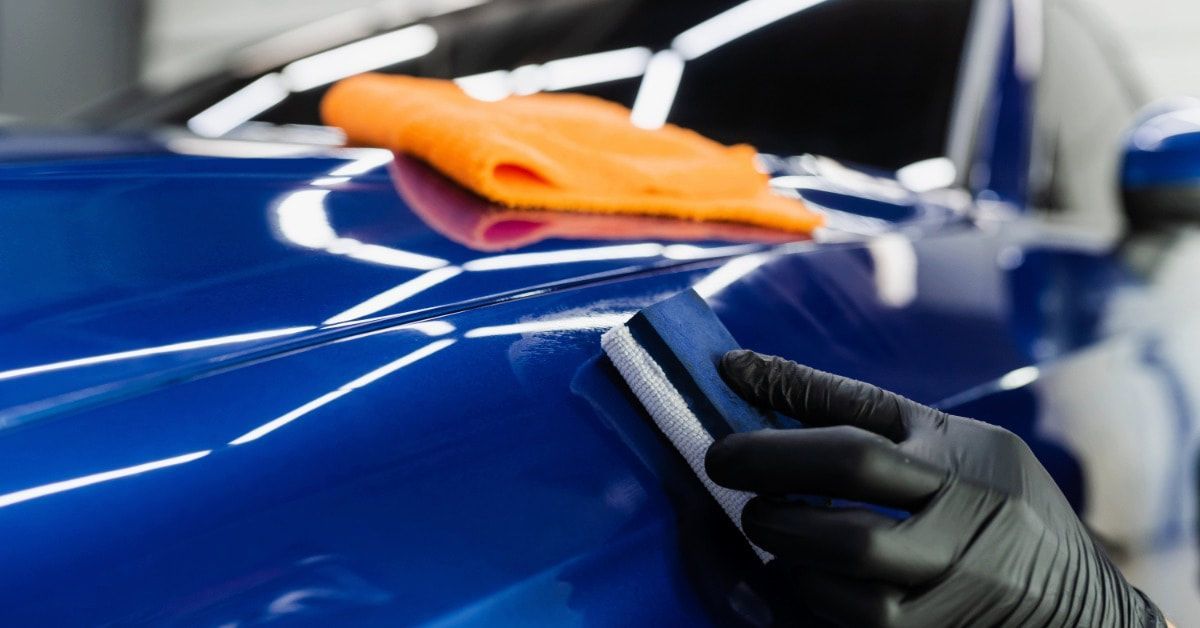
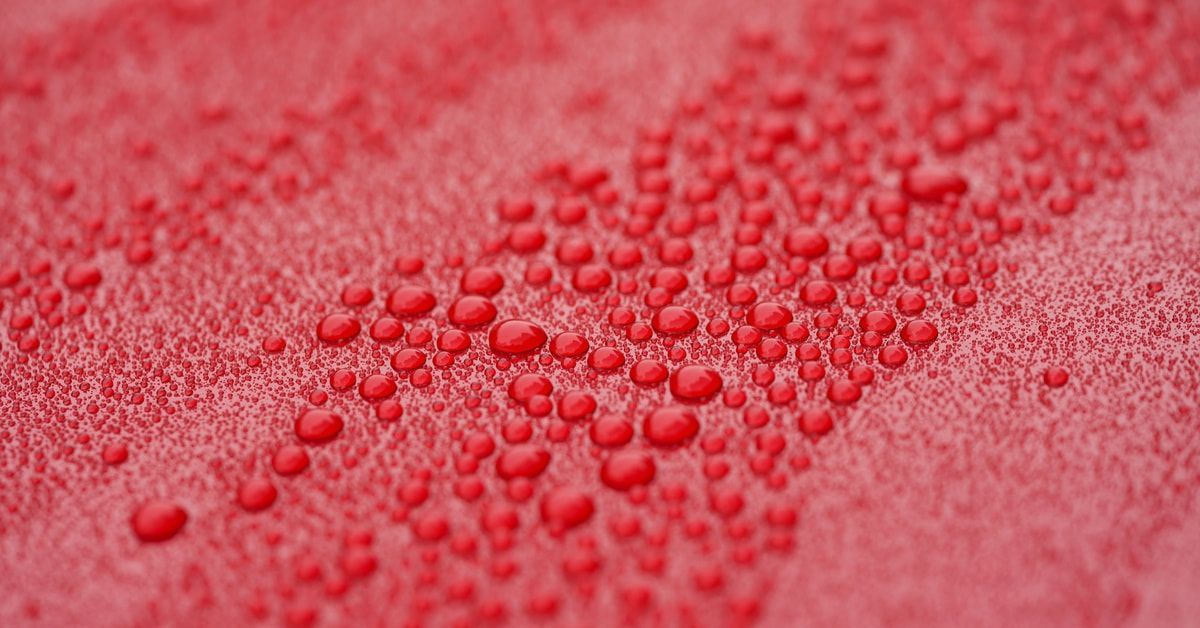
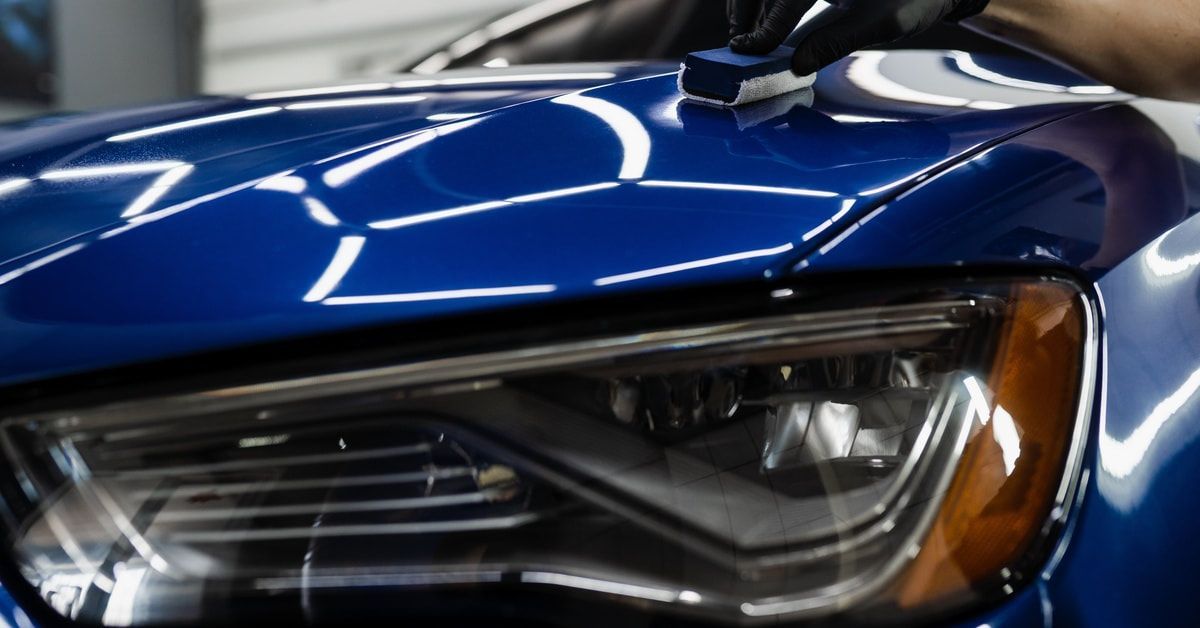
Paint protection film continues to grow in popularity among drivers who want to preserve their vehicle’s finish for years. A variety of drivers want protection for their vehicles against road debris and harsh weather conditions. They all ask the same important question before investing in this service. How long does paint protection film really last? Modern paint protection film offers impressive durability when installed and maintained correctly by professionals. High-quality film can protect a vehicle for anywhere from five to ten years, depending on driving habits, environmental exposure, and maintenance routines. Vehicle owners who understand the factors that affect film longevity often get the best long-term results. What Is Paint Protection Film?Paint protection film, often called PPF, consists of a transparent urethane material applied over painted vehicle surfaces. The film absorbs damage from daily driving before the paint is affected. Modern PPF includes self-healing technology that allows minor swirl marks and scratches to disappear when exposed to heat. Many vehicle owners choose full-body coverage for maximum protection. Premium film products offer glossy finishes that preserve the factory paint appearance without altering the vehicle’s color. Some products also come in satin or matte finishes for customized aesthetics. Paint protection film helps preserve resale value while reducing the need for expensive paint repairs over time. Average Lifespan of Paint Protection FilmMost high-quality paint protection film products last between five and ten years under normal driving conditions. Several premium brands now provide manufacturer warranties that reflect those long lifespans. The actual durability depends heavily on installation quality and maintenance habits. Vehicles driven daily on highways may experience more wear than those stored indoors on weekends. Lower-quality film products often discolor, crack, or peel much sooner than premium materials. Ineffective installation methods can also significantly shorten the film’s lifespan. Professional installation ensures proper alignment and minimal contamination during application. Consistent maintenance helps preserve the film's protective properties and appearance throughout its lifespan. Factors That Affect PPF LongevitySeveral external and environmental conditions influence how long paint protection film lasts on a vehicle. Climate plays a major role because extreme heat, strong UV exposure, snow, ice, and road salt all affect the film over time. Drivers who frequently park outdoors may notice their vehicles age faster than those kept in garages. Highway driving also exposes the film to more rock chips and road debris. Maintenance habits greatly influence durability as well. Harsh automatic car washes with stiff brushes can damage the film surface and weaken edges. Regular cleaning with safe automotive products helps maintain the film’s appearance and integrity. Professional-grade products installed by experienced paint protection film installers often outperform lower-cost alternatives because of their advanced material construction and adhesive technology. Signs That Paint Protection Film Needs ReplacementPaint protection film does not fail overnight in most cases. Several visible signs indicate when the material approaches the end of its lifespan. Yellowing, cracking, bubbling, peeling edges, or excessive staining often signal aging film. Drivers may also notice reduced clarity or dullness that affects the vehicle's overall appearance. Physical damage can also reduce the film's effectiveness. Deep rock chips or torn sections leave the paint vulnerable to further damage. Some isolated damage may allow partial replacement without removing the entire installation. A professional inspection helps determine whether repair or complete replacement offers the best solution. How Maintenance Impacts Film LifespanProper maintenance remains one of the most important factors in maximizing paint protection film durability. Routine washing removes contaminants that can slowly degrade the film surface. Bug residue, bird droppings, tree sap, and road grime should never remain on the vehicle for extended periods. Gentle hand washing methods help prevent unnecessary wear. Vehicle owners should avoid abrasive cleaners or harsh chemicals that may damage the film coating. Soft microfiber towels and pH-balanced automotive soaps work best for routine maintenance. Ceramic coatings designed specifically for PPF can also provide additional hydrophobic protection and easier cleaning. Regular inspections help catch minor issues before they become larger problems. Best Practices for Maintaining Paint Protection Film
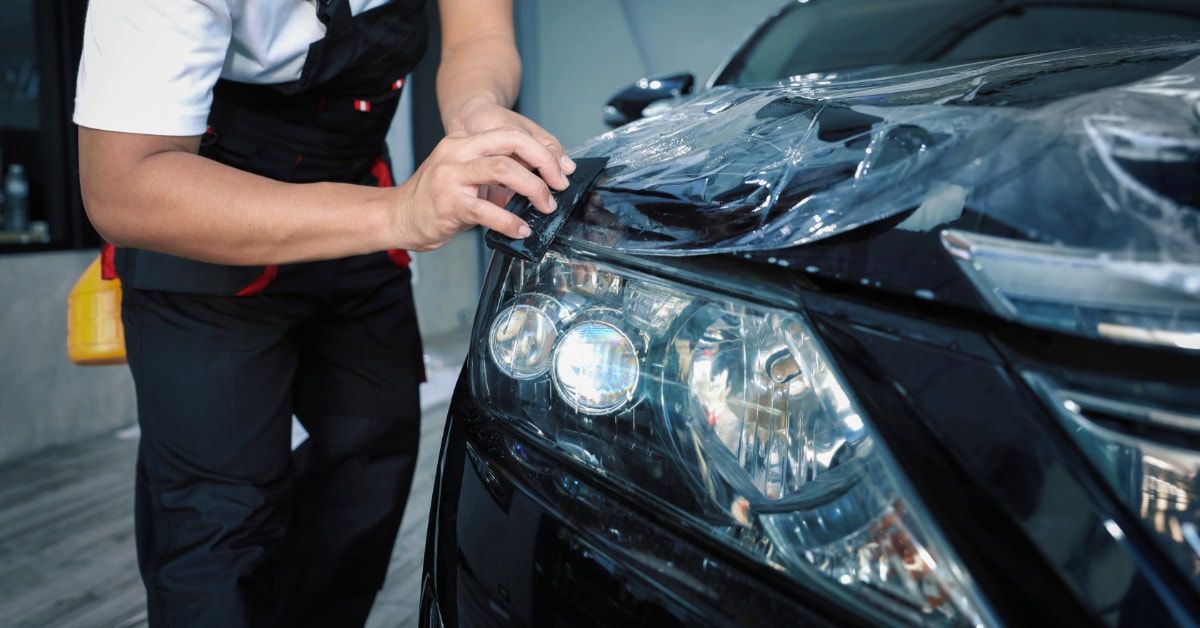
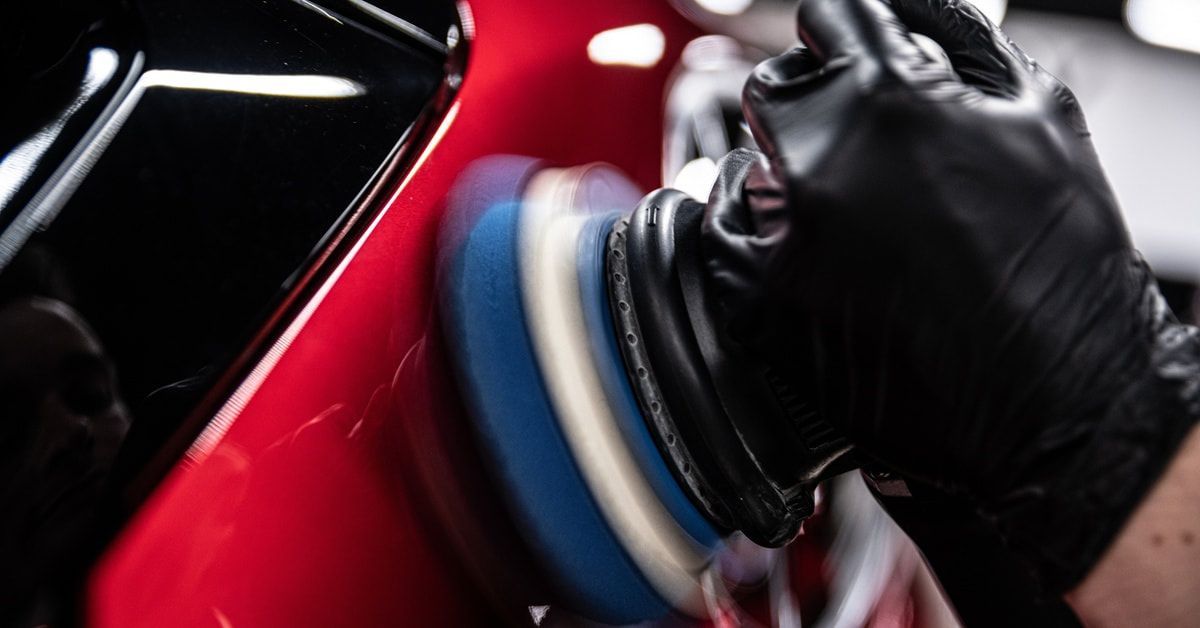
Does Climate Affect Paint Protection Film?Environmental conditions directly affect the lifespan and appearance of paint protection film. Vehicles exposed to intense sunlight for extended periods often experience faster wear due to constant UV exposure. Hot climates can accelerate adhesive breakdown if lower-quality products were used during installation. Cold climates present different challenges, including snow, ice, and exposure to road salt. Moisture and humidity can also influence long-term durability. Drivers in coastal areas may experience greater exposure to salt air and environmental pollutants. Frequent cleaning becomes especially important in these environments. High-quality film products engineered for UV resistance and weather durability generally perform much better in harsh climates. How Professional Installation Makes a DifferenceInstallation quality directly affects how long paint protection film performs on a vehicle. Professional installers carefully prepare the paint surface before applying the film. Any dirt, polishing residue, or imperfections trapped underneath can compromise adhesion and appearance. Experienced technicians understand how to stretch and position the film properly around curves and body lines. Professional shops also use controlled environments that minimize contamination during installation. DIY kits often produce inconsistent results because inexperienced use increases the risk of debris trapping and poor alignment. Investing in professional installation usually saves money and frustration over the long term. Is Paint Protection Film Worth the Investment?Many drivers hesitate because paint protection film requires a larger upfront investment than traditional waxing or sealants. However, the long-term value often outweighs the initial cost for vehicle owners who prioritize paint preservation. Repairing chipped paint and repainting damaged panels can become extremely expensive. Paint protection film helps prevent many of those common problems before they occur. Vehicles with well-maintained paint often retain greater resale value. Luxury vehicles, sports cars, trucks, and daily drivers all benefit from preserving factory paint quality. Drivers who spend significant time on highways or commute long distances usually see the greatest value from PPF. Choosing the Right PPF Shop MattersEnsuring paint protection film lasts a long time requires the right installation services. Vehicle owners should research shops carefully before scheduling installation. Experienced shops use premium film brands, advanced installation methods, and proper surface preparation techniques. Reviewing portfolios and customer reviews can provide insight into the quality of a shop’s work. A1 Auto Detailing provides professional automotive protection services designed to help vehicles maintain their appearance for years. Drivers throughout Lynnwood, WA, and surrounding areas trust our experienced professionals to install high-quality protection products with precision and care. Long-lasting protection starts with proper materials and expert assistance. Contact A1 Auto Detailing today to schedule a detailing service.
0 Comments
Leave a Reply. |
Archives
May 2026
Categories |


RSS Feed