The Different Types of Window Tinting Explained
Choosing window tint might seem as simple as picking how dark you want your windows, but much more happens beneath the surface. Different films can influence cabin privacy and protection from prolonged sun exposure.
Knowing the types of window tinting available helps drivers look beyond appearance and focus on the features that matter during everyday driving. From affordable dyed films to advanced ceramic options, each tint technology offers its own combination of benefits and considerations.
Understanding how these materials differ can make it easier to compare options based on your vehicle and priorities. This guide breaks down the most common window tints and explains what drivers should know before scheduling an installation.
Why Window Tint Type Matters
Window films may look similar from the outside, but their internal construction can create major performance differences. Some films focus primarily on appearance, while others prioritize heat rejection, UV protection, or long-term durability.
The materials inside the tint also influence how well it performs in direct sunlight. Certain films absorb solar energy, while others reflect or block portions of that energy before it enters the cabin.
Choosing tint based only on darkness can overlook these important factors. Comparing film technology and intended use often leads to a better long-term decision.
Dyed Window Tint
Dyed window tint remains one of the most common entry-level options for vehicle owners. Manufacturers create this film with a dyed layer that absorbs sunlight and produces a darker window appearance.
This film can reduce glare and increase privacy without significantly raising installation costs. Its simple construction makes it attractive to drivers who mainly want cosmetic improvements and basic sun protection.
However, dyed tint usually offers less heat rejection than more advanced film technologies. Prolonged sunlight exposure can also affect some lower-quality dyed films over time. Drivers who choose dyed tint should compare product quality rather than focus only on price.
Metalized Window Tint
Metalized window tint contains small metallic particles that block solar energy from reaching the vehicle’s interior. This construction allows the film to provide stronger heat control than many basic dyed options.
The metallic layer can also improve film strength and help reduce glare during bright driving conditions. Some products create a slightly reflective exterior appearance that certain drivers find visually appealing.
The main drawback involves electronic signal interference. Metallic particles can sometimes affect GPS systems, satellite radio, and other wireless technology inside modern vehicles. That concern matters more as vehicles continue to include advanced electronics and connected features. Drivers considering metalized tint should discuss compatibility with an experienced installer before choosing a product.

Carbon Tint
Carbon window tint uses carbon particles rather than metallic components to manage sunlight and heat. This construction helps provide a dark, clean appearance without creating the signal issues associated with some metalized films.
Many drivers choose carbon film because it offers a useful balance between performance and price. It can provide better heat management than basic dyed tint while maintaining reliable electronic compatibility.
Carbon tint also tends to maintain its appearance well when manufactured and installed correctly. For drivers seeking solid everyday performance, carbon film can offer considerable value. It often fits between lower-cost dyed products and premium ceramic films in both price and capability.
Ceramic Window Tint
Ceramic window tint uses advanced ceramic flecks within the tint to manage solar energy without relying on metal. This technology can reflect heat away while maintaining clear visibility within the vehicle.
Ceramic films can also help reduce glare and limit UV exposure during regular driving. Because they contain no metallic layer, they typically avoid interference with phones, navigation systems, and other electronics.
Drivers researching premium window tinting in Lynnwood, WA often consider ceramic film because of its combination of performance and comfort. It can provide effective solar control without requiring extremely dark windows.
Ceramic tint generally costs more than basic dyed or some carbon films. However, drivers who prioritize long-term performance, interior comfort, and advanced technology may find the added investment worthwhile.
Hybrid Window Tint
Hybrid window tint combines elements from more than one film technology. Many hybrid products use both dyed and metallic components to balance appearance, solar control, durability, and cost.
This combination can deliver stronger performance than basic dyed tint while remaining more affordable than some premium films. Exact results depend on the materials and construction used by the manufacturer.
Drivers should still ask whether a hybrid film contains metallic particles. Some products may create the same electronic interference concerns associated with traditional metalized films.
A high-quality hybrid film can work well for drivers who want balanced performance without moving directly to ceramic technology. Comparing manufacturer specifications can help reveal how each product actually performs.

Understanding Window Tint Darkness and VLT
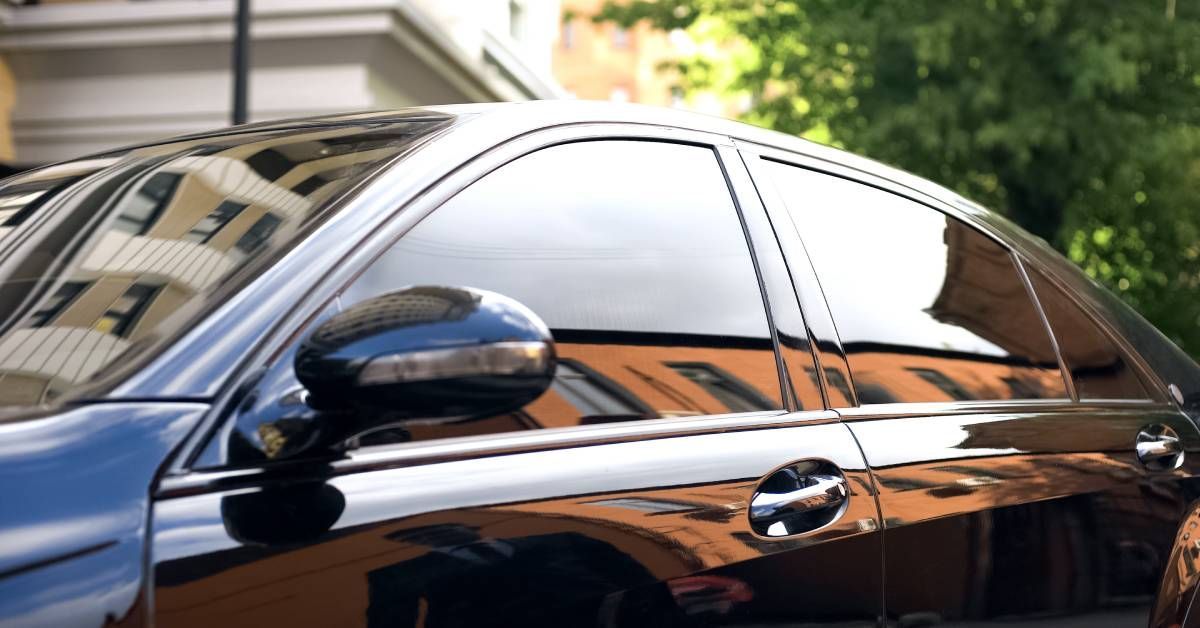
Visible light transmission, commonly called VLT, describes how much light passes through the window and film. The lower the VLT percentage, the darker the appearance within the vehicle. In comparison, a higher VLT percentage allows more light through.
Drivers sometimes assume darker tint automatically provides better heat protection. However, modern film technology can manage solar energy effectively even when the tint doesn't look extremely dark.
VLT also plays an important role in legal compliance. Tint regulations can vary by location and may set different requirements for different windows.
Vehicle owners should confirm applicable local requirements before selecting a darkness level. A professional installer can explain available options and help drivers balance visibility, privacy, and appearance.
Comparing the Main Types of Window Tint
Each window film category offers a different combination of benefits. Before deciding, consider budget, heat rejection, appearance, electronic compatibility, and expected longevity.
A quick comparison can make the differences easier to understand:
- Dyed film: Affordable with a darker appearance and basic glare reduction.
- Metalized film: Strong solar control with possible electronic signal interference.
- Carbon film: Balanced heat reduction, durability, and signal compatibility.
- Ceramic film: Premium heat rejection, clarity, and electronic compatibility.
- Hybrid film: Combines multiple technologies for balanced cost and performance.
Drivers should review product specifications rather than relying only on the tint category name. Warranty coverage and manufacturer reputation can also help when comparing options.
Professional Installation Makes a Difference
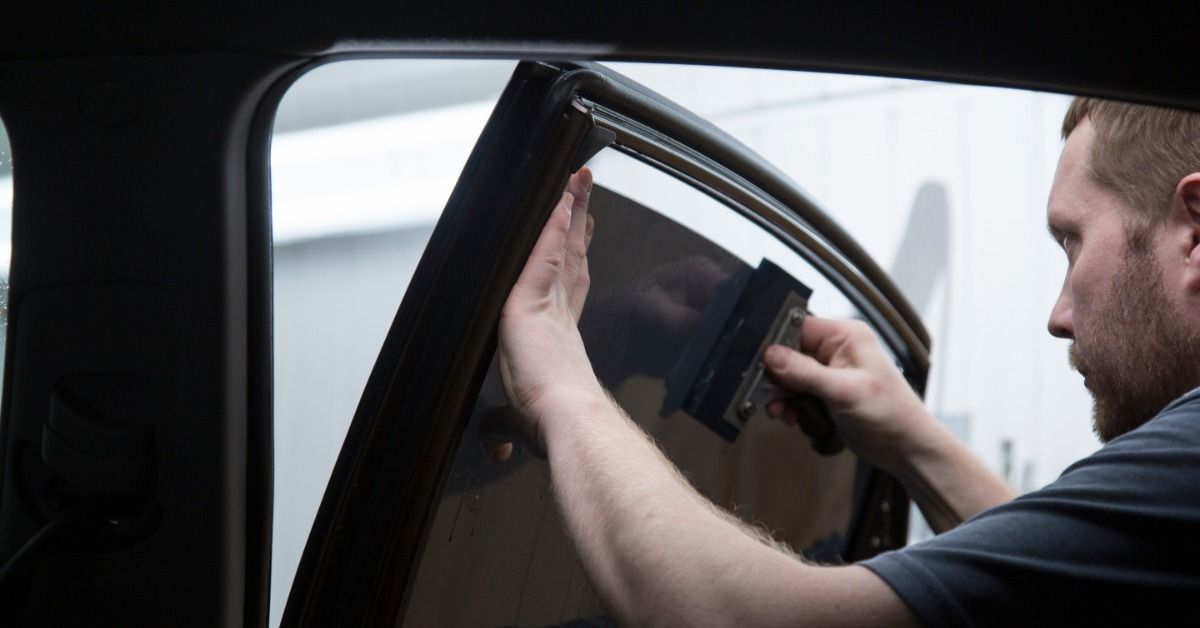
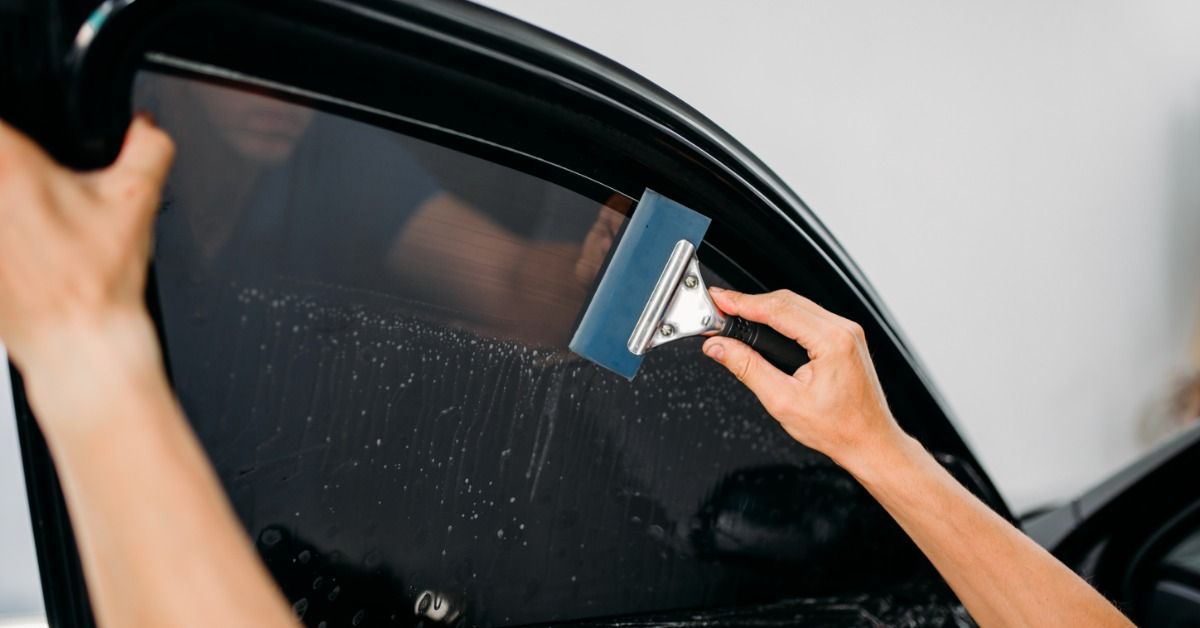
Even high-quality window film can perform poorly when installers apply it incorrectly. Dirt, bubbles, uneven edges, creases, or trapped debris can reduce both appearance and overall satisfaction.
Professional installers carefully prepare the glass before applying the film. Proper surface preparation helps the tint adhere smoothly and creates a cleaner finished appearance.
Experienced technicians can also recommend appropriate film types for specific vehicles and driving needs. Choosing the right product and installer together produces better results than focusing on film alone. Quality workmanship helps window tint look professional while supporting its intended performance.
Choose the Right Tint for Your Vehicle
Sorting through the different types of window tinting becomes much simpler when you approach the decision with clear expectations and professional guidance. Rather than rushing into an installation, take time to ask questions, review available products, and choose a solution you will feel confident about every time you drive.
A1 Auto Detailing brings careful attention and automotive expertise to every vehicle that comes in for service. Our team delivers professional results while helping customers make informed decisions about their vehicles. Contact A1 Auto Detailing today to schedule an appointment and give your vehicle the dedicated care it deserves.