|
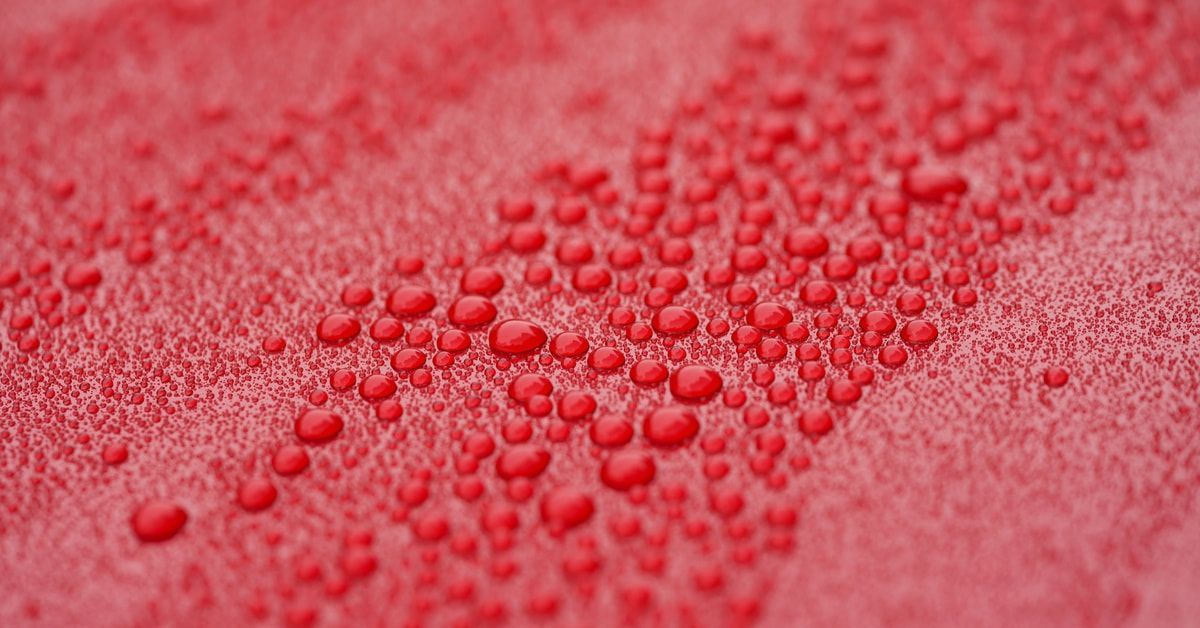
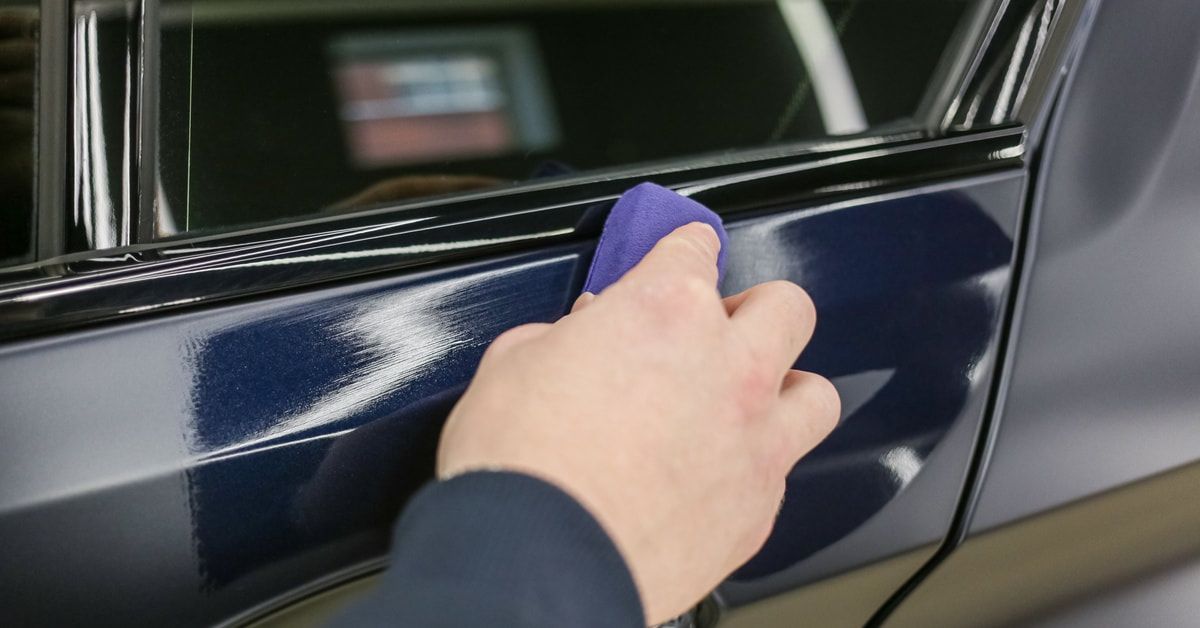
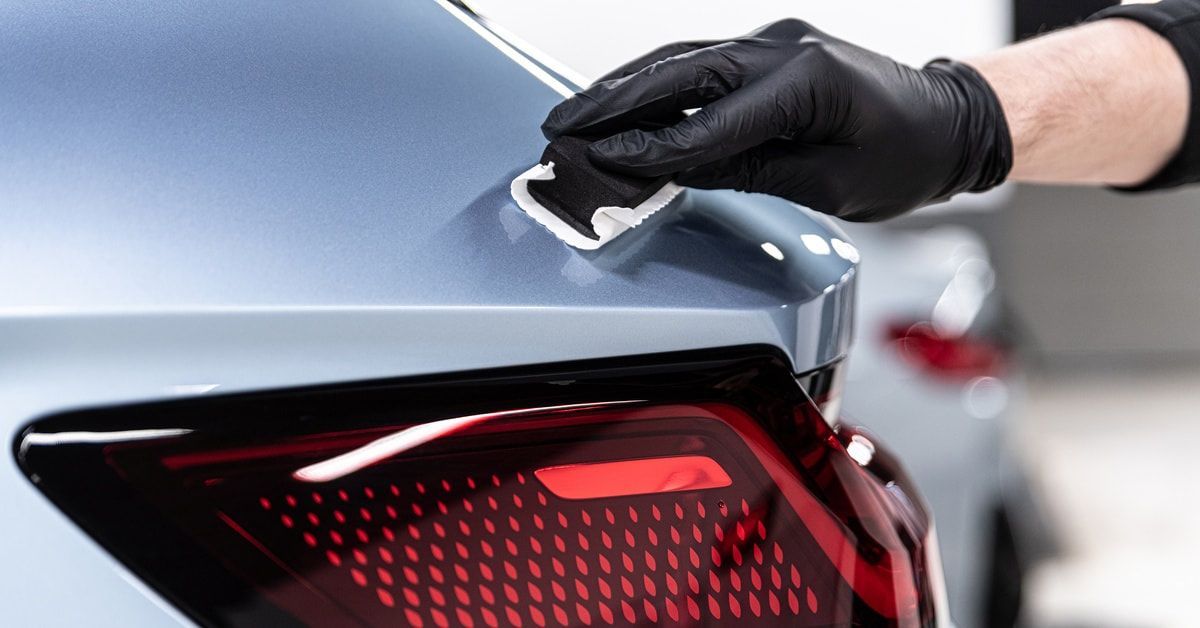
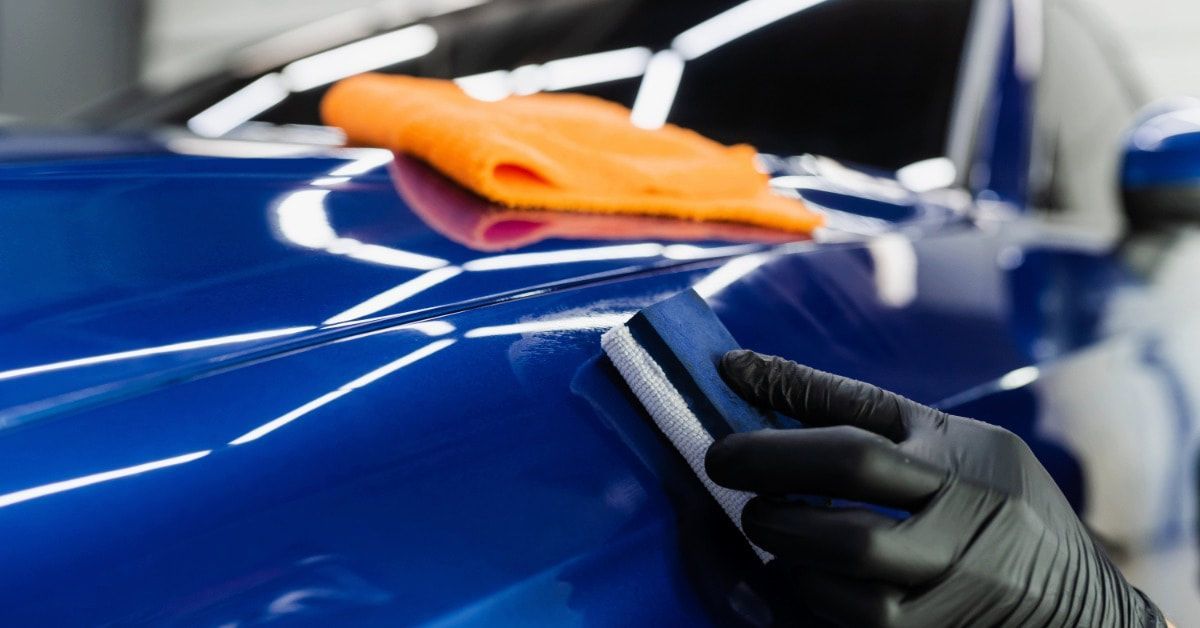
Acid rain poses a serious threat to vehicle paint, especially in areas with higher pollution and frequent rainfall. Many car owners notice water spots, dullness, or even permanent etching after repeated exposure. This leads to a common question: can ceramic coatings actually protect against this type of damage? While ceramic coatings do not make your car invincible, they significantly reduce the impact of acid rain and similar hazards. Knowing their strengths and limitations ensures you get the most value from this investment. What Is Acid Rain and Why Does It Damage Vehicle Paint?Acid rain forms when pollutants mix with moisture in the atmosphere and fall as acidic precipitation. These contaminants include sulfur dioxide and nitrogen oxides from vehicles and industrial activity. When acid rain lands on a car’s surface, it can begin to break down the clear coat. Over time, this exposure leads to etching, staining, and dullness that affect the overall appearance. Vehicle paint systems rely on a clear coat layer to protect the color beneath. Acidic deposits weaken this protective layer and create visible imperfections. If owners leave contaminants on the surface, the damage becomes more severe and harder to correct. How Ceramic Coatings Work on a Molecular LevelCeramic coatings create a semi-permanent bond with a vehicle’s paint using advanced nanotechnology. This liquid polymer cures into a hardened layer that sits on top of the clear coat. Once cured, it forms a hydrophobic surface that repels water and contaminants. This barrier reduces direct contact between harmful substances and the paint. Unlike traditional waxes, ceramic coatings do not wash away quickly or break down after a few weeks. The coating provides consistent protection for months or even years with proper care. This durability makes it a popular choice for vehicle owners who want long-term paint protection. Can Ceramic Coatings Resist Acid Rain Damage?Ceramic coatings provide strong resistance against acid rain but do not make a vehicle completely immune. The coating acts as a sacrificial layer that absorbs the initial impact of acidic contaminants. This reduces the likelihood of etching reaching the clear coat underneath. As a result, the paint remains in better condition over time. The hydrophobic properties of ceramic coatings also help water bead and slide off the surface quickly. This minimizes how long acid rain sits on the paint. Less contact time means less opportunity for chemical reactions to occur. The Role of Hydrophobic Protection in Acid DefenseHydrophobic behavior stands as one of the most valuable features of ceramic coatings. Water beads up into tight droplets instead of spreading across the surface. These droplets roll off easily, carrying dirt and contaminants with them. This process reduces the buildup of acidic residue. When acid rain cannot linger on the surface, it has less time to cause damage. The coating essentially limits exposure rather than eliminating the threat entirely. This distinction matters for vehicle owners who want realistic expectations. Other Benefits of Ceramic CoatingsCeramic coatings deliver several advantages that extend beyond defending against acid rain. These benefits contribute to both aesthetics and long-term vehicle value. Owners often choose coatings for their ability to simplify maintenance and enhance appearance. The added protection supports the vehicle's overall condition. Key benefits include:
Each of these benefits works together to maintain a vehicle’s exterior. A well-protected surface retains its shine and resists common environmental damage. This makes ceramic coatings a smart investment for long-term care. Limitations of Ceramic CoatingsCeramic coatings do not eliminate all risks associated with acid rain or environmental exposure. If acid rain remains on the surface for extended periods, it can still cause minor damage. The coating slows the process but does not stop it completely. Proper maintenance remains essential. Scratches and physical damage can also compromise the coating. Once the protective layer becomes damaged, contaminants can reach the paint more easily. This makes routine inspections and maintenance important for preserving effectiveness. How Maintenance Impacts Acid Rain ProtectionMaintenance plays a major role in how well a ceramic coating performs over time. Regular washing removes contaminants before they can bond to the surface. Using proper techniques prevents introducing new scratches or damage. This helps maintain the integrity of the coating. Quick removal of acid-rain residue reduces the risk of etching. Even with a coating, allowing contaminants to sit too long increases risk. Consistent care ensures the coating continues to repel water and pollutants effectively. This approach aligns with best practices in professional auto detailing. Why Professional Application Makes a DifferenceProfessional installation ensures that ceramic coatings bond correctly with the vehicle’s surface. Technicians prepare the surface by cleaning and correcting it before applying the coating. This process removes imperfections that could interfere with adhesion. The result is a smoother, more durable protective layer. Improper application can lead to uneven coverage or reduced effectiveness. Professionals use controlled environments and specialized tools to achieve optimal results. This level of precision enhances the coating’s ability to resist acid rain and other contaminants. It also supports long-term performance. If you’re looking for professional ceramic coating, A1 Auto Detailing offers high-quality services that provide long-lasting protection for your vehicle. Avoid trying professional services at home; come to A1 Auto Detailing. Is Ceramic Coating Worth It for Acid Rain Protection?Ceramic coatings provide clear value for vehicle owners who face regular exposure to environmental contaminants. Acid rain represents just one of many threats that can damage a vehicle’s exterior. The coating acts as a protective barrier that reduces wear and simplifies maintenance. This makes it a practical solution for long-term care. Drivers in areas with frequent rainfall or pollution benefit the most from this protection. Investing in a ceramic coating helps preserve paint quality and overall appearance. For those considering ceramic coating in Lynnwood, WA, local environmental conditions make this service especially relevant. Professional auto detailing ensures the coating delivers consistent results. How Ceramic Coatings Support Long-Term Vehicle ValueMaintaining a vehicle’s exterior condition plays a key role in preserving its resale value. Paint damage from acid rain and other contaminants lowers perceived quality. Ceramic coatings help prevent this type of deterioration. A well-maintained finish signals proper care to potential buyers. Shiny, defect-free paint enhances curb appeal and overall presentation. Buyers often associate appearance with mechanical condition. This makes exterior protection an important factor in long-term ownership. Ceramic Coatings and Acid Rain ProtectionCeramic coatings offer strong defense against acid rain by creating a durable, hydrophobic barrier. While coatings do not eliminate all risk, they significantly improve a vehicle’s ability to resist environmental harm. Consistent maintenance enhances these benefits. Vehicle owners who invest in ceramic coatings gain both protection and convenience. The reduced need for frequent cleaning and correction saves time and effort. Contact A1 Auto Detailing today and schedule your ceramic coating service. We provide the ultimate gloss that keeps your car looking showroom-ready for years to come.
0 Comments
Leave a Reply. |
Archives
April 2026
Categories |


RSS Feed