A1 AUTO DETAILING
  • Home
  • Auto Detailing Services
    • Complete Detail
    • Express Detail
    • Maintenance Detail
    • Exterior Detail
    • Claybar and Wax
    • Shampoo Interior Detail
    • Car Interior Mold Removal
    • Car Smoke Odor Removal
    • Engine Bay Detailing
  • Ceramic Coating
  • Paint Protection Film
  • Paint Correction
    • Stage 1 Paint Correction
    • Stage 2 Paint Correction
  • Window Tinting
  • Vinyl Wrap
  • Service Areas
    • Car Detailing Lynnwood, WA
    • Car Detailing Everett, WA >
      • Window Tinting In Everett,WA
    • Car Detailing Mukilteo, WA
    • Car Detailing Bellevue, WA
    • Car Detailing Marysville, WA
    • Car Detailing Shoreline, WA
    • Car Detailing Bothell, WA
    • Car Detailing Mill Creek, WA
    • Car Detailing Seattle, WA
    • Car Detailing Lake Stevens, WA
    • Car Detailing Kirkland, WA
  • About
    • Blog
    • Gallery
    • Gift Cards
  • Contact

Blog

Why You Should Never DIY a Car Ceramic Coating

2/6/2026

0 Comments

 
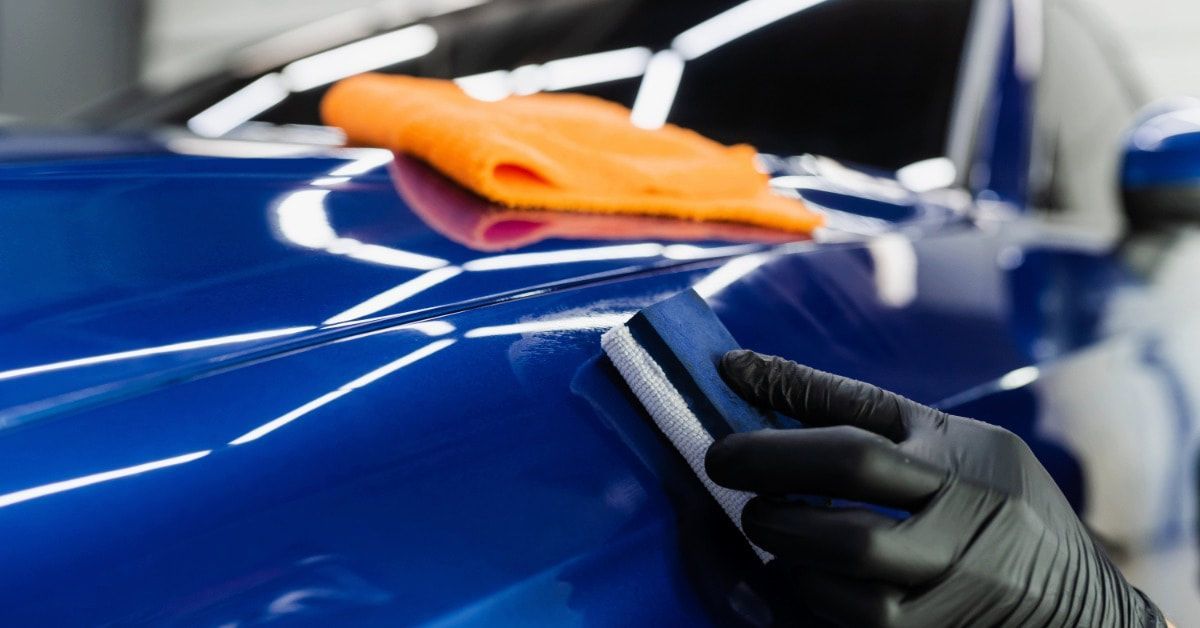
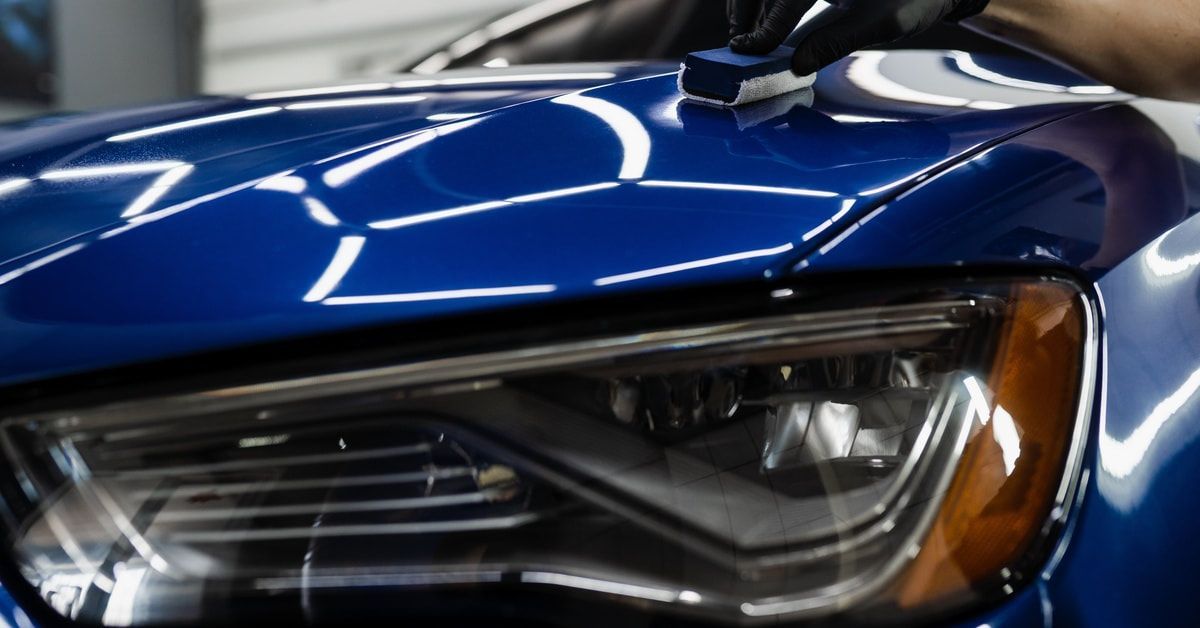
A professional detailer applying ceramic coating to the hood of a blue car. The vehicle is shiny and reflects the light.

You’ve seen the videos: a glossy hood, a few drops on an applicator, and a dramatic “after” shot under bright lights. DIY ceramic coating looks like a quick weekend upgrade. In real life, ceramic coating demands precision, clean-room habits, and experience you can’t learn in one afternoon. When you take shortcuts, you don’t just lose durability—you risk locking flaws into your paint and paying twice to undo them.

As your first stop for reliable car detailers, A1 Auto Detailing has seen all types of DIY attempts to mimic professional services. While this might seem like a great idea, there are several reasons you should never DIY a car's ceramic coating.

Ceramic Coatings Leave No Room for Error

Wax and spray sealants let you experiment. You apply them, you wipe them off, and you reapply next month if you mess up. Ceramic coating plays a different game. The coating forms a harder layer that bonds to your clear coat and resists chemicals, heat, and grime far better than traditional protection.

That performance comes with a tradeoff: the coating doesn’t forgive sloppy work. If you apply it too thickly, miss the leveling window, or smear the product during wipe-off, you create streaks and cloudy patches that reappear in sunlight. You can’t fix those spots with a quick microfiber wipe once the coating cures. You must polish the panel, remove the coating, and start over—while sacrificing a little clear coat in the process.

Paint Correction Takes More Than a Polisher and Good Intentions

Ceramic coating won’t hide swirls, haze, water spots, or micro-marring. It will highlight them. The coating can increase gloss and depth, but it also makes defects easier to see because the surface reflects light more sharply.

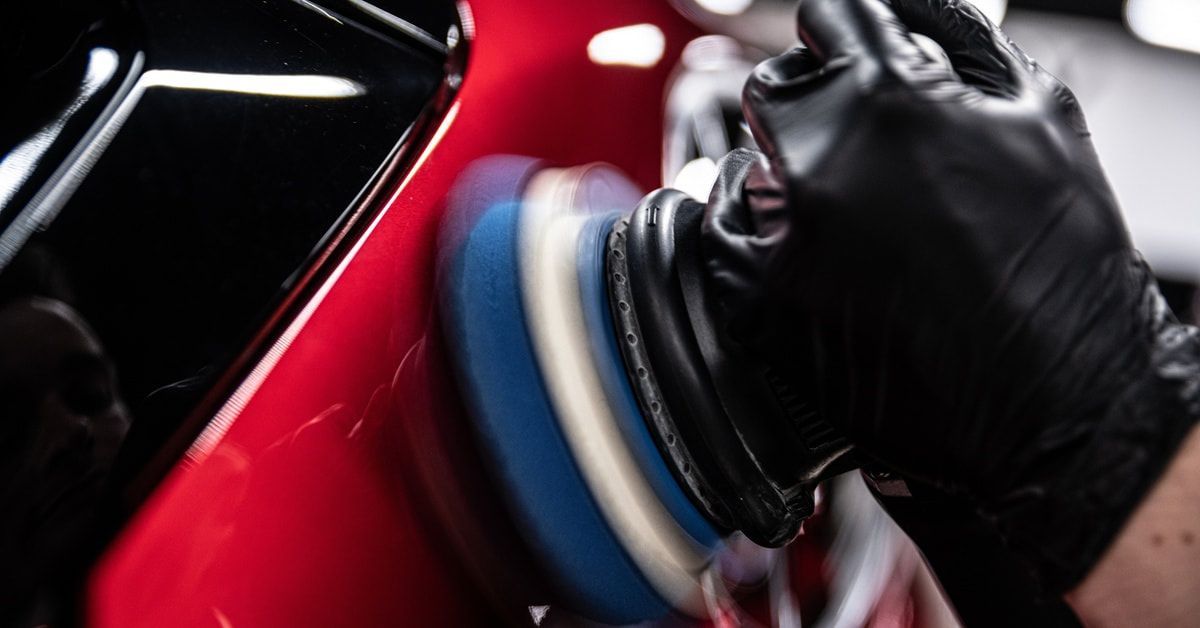
Proper correction requires the right machine, pad, polish, pressure control, and panel-by-panel strategy. Different manufacturers use different paint hardnesses, which affects how the paint responds to cutting and finishing steps. You also need real inspection lighting that reveals what overhead garage lights can’t show.

When you correct paint without experience, you can create new haze, chase defects in circles, or chew through sensitive edges. Then the coating locks that damage in place. You end up with a finish that looks “sealed” but not truly refined.

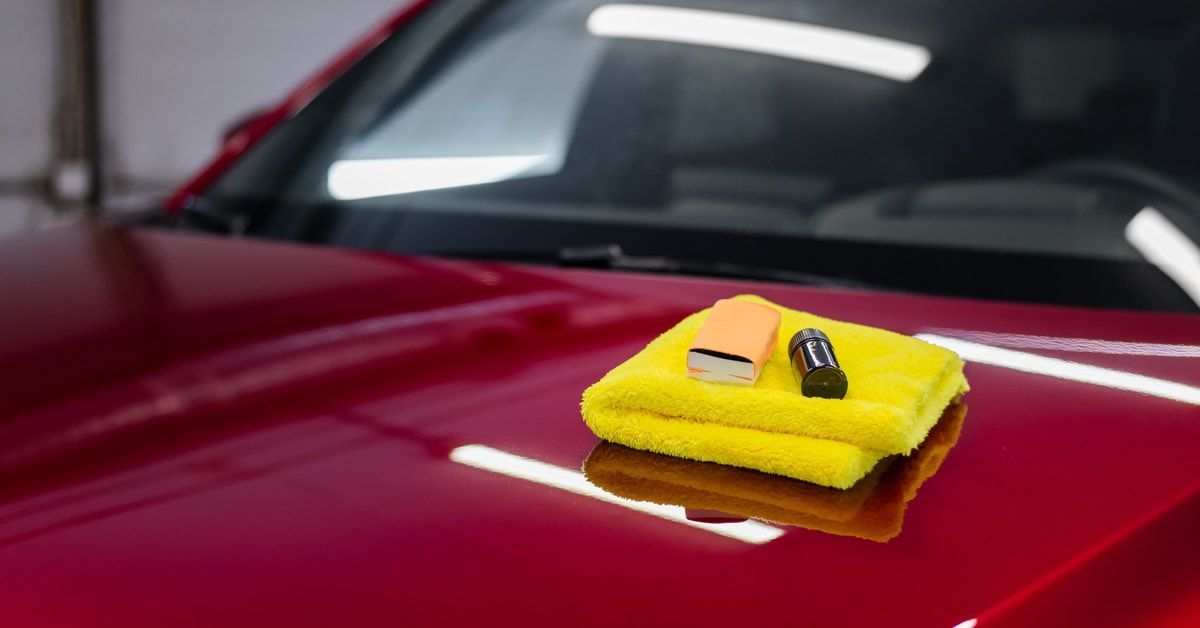
A coating set sitting on a car. The set includes a microfiber towel, sponge applicator, and liquid glass protection.

Working in the Wrong Environment for Ceramic Coating Applications

DIY instructions rarely emphasize the environment because simple instructions sell better. The room conditions matter just as much as your technique. Temperature changes flash time. Humidity changes wipe-off behavior. Dust and pollen land on panels the second you open a door.

Even in a tidy garage, the coating attracts debris during application. You then face a bad choice: level over the debris and trap it, or try to remove it and smear the product. Either way, you compromise the finish.

A controlled shop environment gives you consistent results across every panel. That consistency matters when you want the coating to look uniform and last the way it should.

One Missed Step Creates Patchy Results

The application looks simple until you try to maintain consistency on every square inch of a vehicle. You must spread the coating evenly, wait for the correct flash, then level and buff without leaving extra product behind. You must also swap towels and applicators often. The moment your towel loads up, it stops leveling cleanly and starts pushing product around.

DIYers usually underestimate the real-world details that decide success:

  • • How quickly flash time changes from hood to doors to bumper plastics
  • • How easily towels load up and start smearing instead of leveling
  • • How much lighting you need to spot high spots before they cure
  • • How often you must change towels to avoid streaking and re-depositing product
  • • How thick layers create more problems instead of more protection
  • • How careful you must stay around trim, badges, and tight edges

When you miss high spots and they cure, you can’t “wipe them down.” You must polish them out, and you often need to recoat that panel to restore uniform protection.

Curing Rules Don’t Match Real Life Schedules

After application, the coating needs protection while it cures. That period often collides with real life: surprise rain, morning dew, sprinklers, parking lots, and road spray. Water contact during early cure can leave mineral deposits or water spotting that bonds into the fresh layer.

DIYers commonly park outside because they need their garage back. They also wash too soon because the car looks dusty. Those choices can quickly reduce durability and create spotting that is harder to remove later.

When you work with A1 Auto Detailing, you get clear aftercare guidance you can actually follow. We help you plan the first few days so your coating cures properly and maintains its performance.

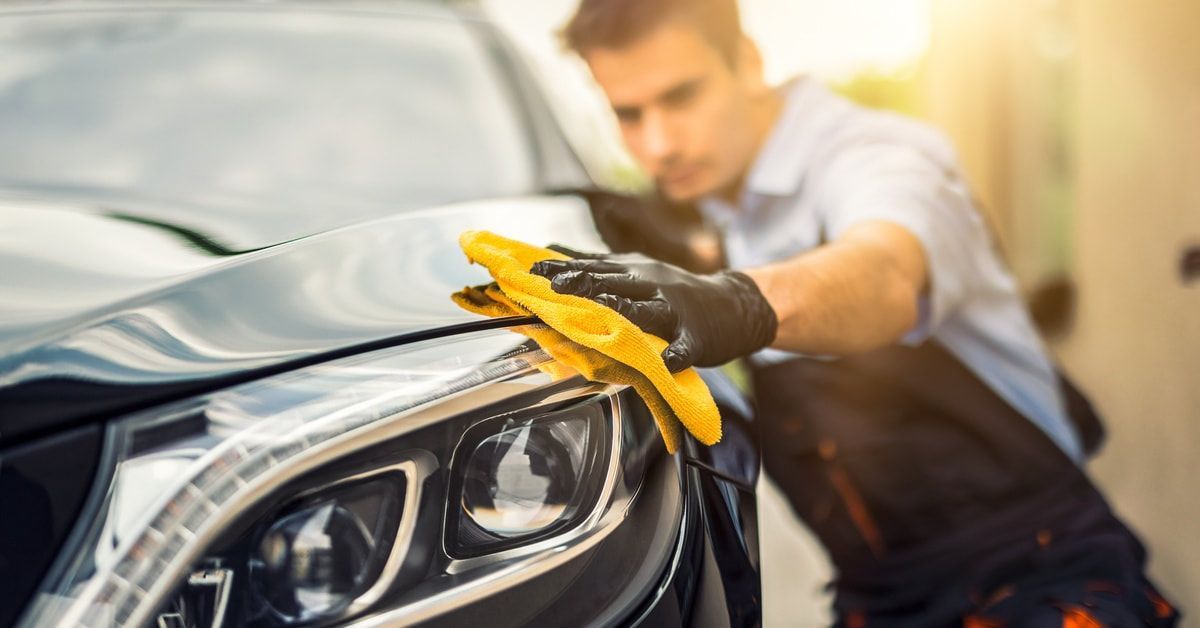
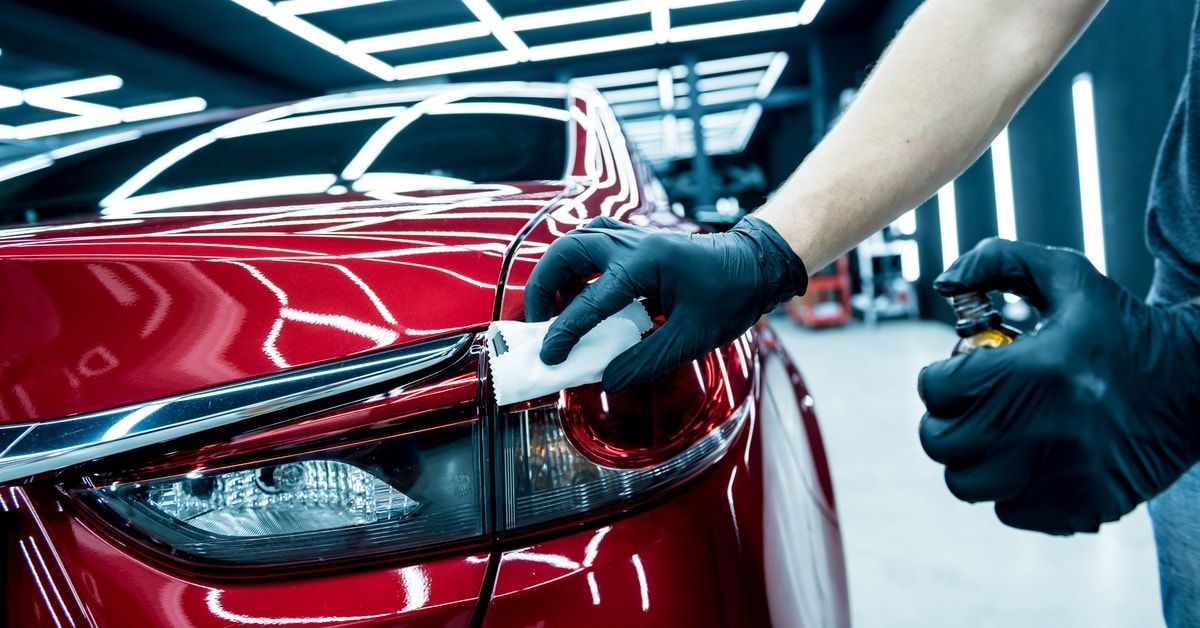
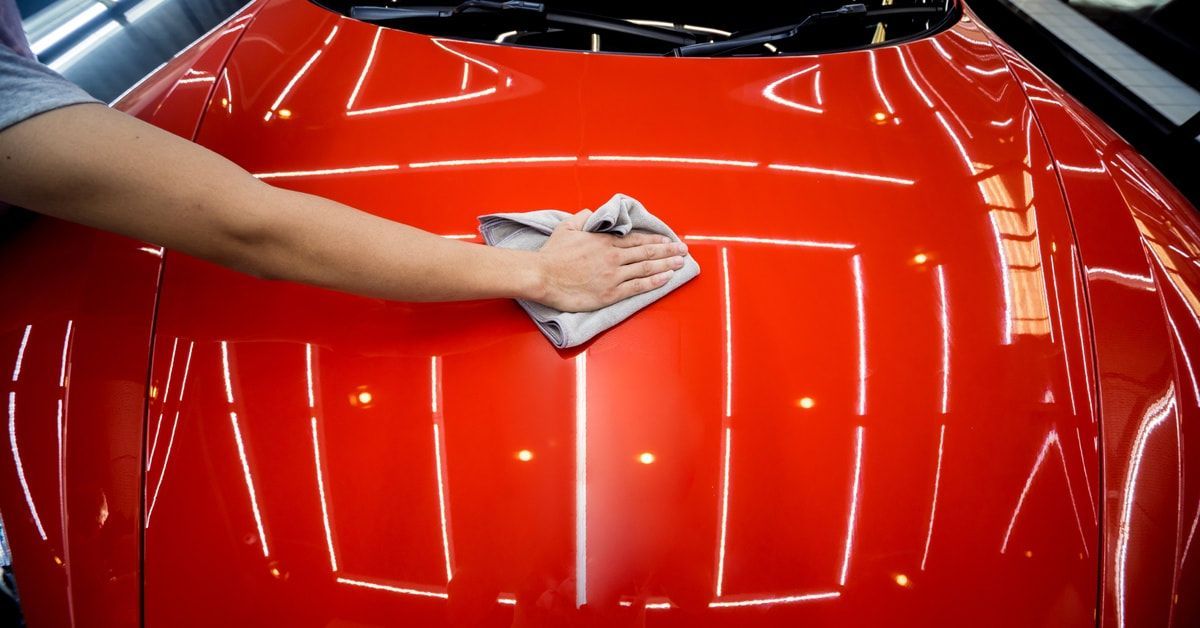
A person's hand running a microfiber towel over the hood of a red car. The car is so clean that it reflects the lights.

DIY Products Add Risks

The internet makes every coating “available,” but availability doesn’t guarantee authenticity or proper storage. Some sellers move old inventory or questionable products, and coatings can degrade when they are exposed to heat or freezing during shipping.

On top of that, many high-end coatings offer tighter controls and better warranty support when applied by a trained installer. Consumer-grade coatings can work, but they deliver more consistent results because DIY conditions vary widely. When you DIY, you carry all the risk—and you lose the safety net that comes with professional backing.

If you want long-term protection, don’t ignore the support side of the decision. A coating should come with a process, not just a bottle.

Find the Best Results With Professional Ceramic Coatings

Most people justify DIY practices based on “savings,” but even in that case, you shouldn’t try to DIY ceramic car coatings. While the bottle to apply the coating might be cheaper, the results are nowhere near a professional's work. They have access to decontamination chemicals, quality microfiber, panel wipes, pads, and polishing liquids. All of this creates the perfect finish, making your car look its best.

DIY projects also ignore the cost of mistakes. When DIY goes wrong, you pay for correction work to remove the coating, fix the haze, repair new marring, and restore the finish. That process can cost more than a proper installation from the start.

If you want the benefits of ceramic coating without gambling on your paint, book with A1 Auto Detailing. We inspect your paint, correct what needs correction, and apply protection using a repeatable process that delivers consistent results. For a clear plan and a finish you’ll feel proud of, talk with a ceramic coating specialist at A1 Auto Detailing and schedule your appointment.

0 Comments


Leave a Reply.

    Archives

    February 2026
    January 2026
    December 2025
    October 2025
    September 2025
    August 2025
    July 2025
    June 2025
    May 2025
    April 2025
    March 2025
    February 2025
    January 2025
    December 2024
    November 2024
    October 2024
    August 2024
    July 2024
    June 2024
    May 2024
    April 2024
    March 2024
    February 2024
    January 2024
    December 2023
    November 2023
    October 2023
    September 2023
    August 2023
    July 2023

    Categories

    All

    RSS Feed

  • Home
  • Auto Detailing Services
    • Complete Detail
    • Express Detail
    • Maintenance Detail
    • Exterior Detail
    • Claybar and Wax
    • Shampoo Interior Detail
    • Car Interior Mold Removal
    • Car Smoke Odor Removal
    • Engine Bay Detailing
  • Ceramic Coating
  • Paint Protection Film
  • Paint Correction
    • Stage 1 Paint Correction
    • Stage 2 Paint Correction
  • Window Tinting
  • Vinyl Wrap
  • Service Areas
    • Car Detailing Lynnwood, WA
    • Car Detailing Everett, WA >
      • Window Tinting In Everett,WA
    • Car Detailing Mukilteo, WA
    • Car Detailing Bellevue, WA
    • Car Detailing Marysville, WA
    • Car Detailing Shoreline, WA
    • Car Detailing Bothell, WA
    • Car Detailing Mill Creek, WA
    • Car Detailing Seattle, WA
    • Car Detailing Lake Stevens, WA
    • Car Detailing Kirkland, WA
  • About
    • Blog
    • Gallery
    • Gift Cards
  • Contact